

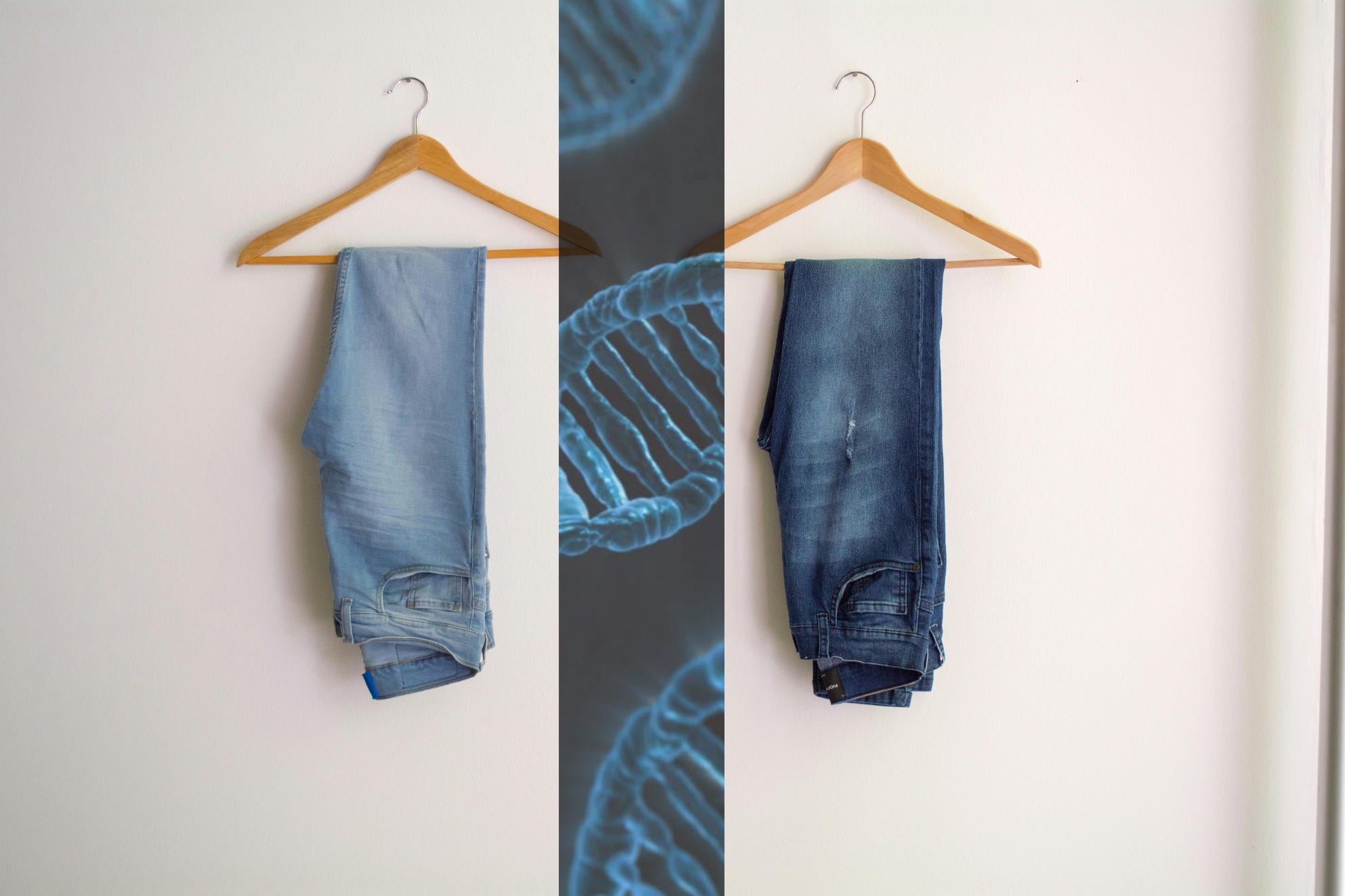
Photo credit: Pixabay and Mica Asato
Why Bother with Genes?
It may surprise you that the science of genetics influences my writing. In the late ‘80’s, I had the inkling to become a genetic counselor. At the time, at least in my area, there were no formal programs. The only option available to me was a “make your own degree” curriculum, then acquire a graduate degree in a branch of science. An area expert in genetics invited me to volunteer at her lab and learn, during my free evenings, how to map my DNA. I was eager to see what my genes, or segments of DNA, looked like. That’s probably weird, I know. Please keep in mind that the desire to investigate, or scientific curiosity, is keyed, in part, by my own genetic makeup.
The doctor believed that I would be a great candidate for a genetic counseling position in her office as my background was primarily in Women’s Health, and I worked in Labor and Delivery at that time.
Though the science compelled me, the math did not work in my favor. I had flexible hours in my nursing job, two kids (and one still a twinkle in my eye), and a husband with a growing business. My free evenings were rarer than an AB negative blood type. Plus, the cost of another two degrees combined with all of the above couldn’t justify a salary that was less than I made as an registered nurse. I gave up on that plan and stuck with nursing. No regrets. I loved my job and the challenges and rewards it brought me.
My interest in genetics held strong. I channeled it, doing my family tree and connecting with relatives I didn’t know about before. Here is a hint at what I found myself up against—one of my grandfather’s was named John Smith. Try to start a search in Scotland with that as a name!
When I started to write fiction, I applied my interest in heritage to characters as if someone had signed them up for an Ancestry.com’s DNA profile.
I base my story settings in the United States and my four manuscripts have scenes in western Massachusetts and New York City, places I’m familiar with. I researched the makeup of nationalities during the late 19th and early 20 c. in those areas as families immigrated to America. I read through population records and scanned the passenger lists on overseas ship rosters to get ideas for character names, the jobs they did, and their countries of origin.
In general, I work with the following categories in mind:
Place. You’ve likely heard of the Pilgrims and other settlers who joined the Native American population in Massachusetts. In the 19th c. famine brought the Irish and other Europeans. A strong Scandinavian presence plus German immigrants filled out the citizenry. Native Americans were displaced (or eliminated) to far reaching places like Provincetown, MA. My characters spring from these areas and their ancestry is important in developing their profiles.
Names. Though the premise of a story comes first for me, I don’t just slap-dab a protagonist into a plot. I have to figure out where a character is from, what ancestry they carry, their age, and perhaps their race or cultural identity before I assign them a name. Take Ada from my late 19th c. manuscript Kissed by a Midwife. Her name is appropriate for a white woman whose family comes from Britain. “Ada” is commonly found in member rosters of the Congregational church.
Physical characteristics. I try to give main characters a tweak to help them stand out. Dimples are a good example. In Kissed by a Midwife, both poor departed Deke and his daughter Marigold have matched sets of dimples but Mari has her mother Ada’s curly hair.
Hair color, a particular weakness in sports, or clumsiness, can all be attributed to genetics. Eye color is directed by our chromosomes too. For example, two blue-eyed parents will likely produce a blue-eyed child. But not always as other combinations are possible. The rarest colors for eyes are green or violet but I swear that every book I read has at least one character sporting a pair of both!
Personality. Another consideration I give is what their personality is like. Are they bold, are they strong, do they make wise decisions? Genetic variations can result in a character being more agreeable, for example.
A process called gene regulation sets genes on different paths. Environmental influences affect the the direction as well. For example, a cancer is spurred on by inordinate cell growth if a cancer gene is triggered. That’s why gene therapy can be used to treat the disease.
Tendencies. Genes help connect their owners to stronger affinities for things like science, math, even artistic endeavors. Deke’s daughter Marigold loves geology and her father was a physician so her scientific yearning is connected to him. Even emotional issues are predisposed in certain families. One apt example is anxiety, which can run through generations. It’s all complicated but in short, genetics and heritage are intertwined.
Variables. None of these categories take into consideration life events, of course. Writing an adopted character can open up the floodgates for random traits to surface. And often, a character has a name that does not indicate heritage or culture or much of anything. For me, that’s not as interesting as my knowing that in my short story The Lifeguard, the character of Vivi is named because of her vitality or life force. It is never mentioned in the story, but in a workshop where The Lifeguard was reviewed, a writer noted the connection and I could not have been more delighted to be found out!
Family tree. It all starts with a family tree, built by DNA in a variety of combinations. We inherit half of our genes from our mother and the other half from our father. Those genes crash into each other and make up their own combinations, giving us the likelihood of having certain traits.
It’s a complicated process but one that makes us unique in our aptitudes and tendencies. Some of the genes get flushed away through generations and others get stronger. Ever see a repeating face where a child’s expressions are almost identical to their grandparent?
I did the spit test to examine my DNA origin and likely traits once, at Ancestry.com. They send my traits regularly, as their database expands its categories of detection. The service tells me I should have a tendency to like cilantro (true!), am probably a super taster (true!), and should be able to wiggle my ears (definitely not!).
Amazing how we all come together through a little spiral helix that makes us individuals.
When I read your newsletters I am taught something I didn't know I wanted to learn about- thank you - genetics functioning inside our made-up worlds.