
Quick & Dirty Research
Herbal Medicine

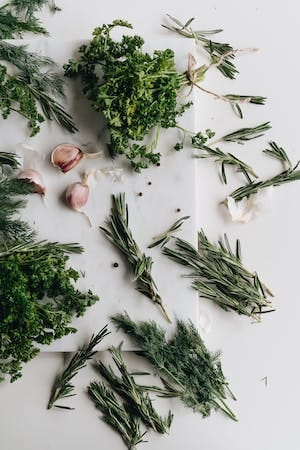
HERBAL MEDICINE
My second novel, about midwives and women in western Massachusetts at the turn of the 20th c., includes a protagonist (or star of the show), Ada Pattison, who is an amateur herbalist. Why does she have this hobby? I can't answer that except to say that she popped into my mind as an interesting character. Ada is a young, pregnant widow who needs a way to earn money after her doctor-husband's sudden death. I discovered that the herbal medicine rabbit hole is deep and wide and goes back to the beginning of time.
Old Books. There are plenty of ancient texts on herbal medicines, plus "modern" tomes from the 16th c. A famous one is by Nicholas Culpepper, first published over 350 years ago!
I chose the The Book of Mother's Remedies for my main resource. I learned specific "recipes" which is the name used in the 19th c. and earlier for medical mixtures as well as for food combinations like blackberry jelly. Some of the recipes in this free ebook range from using olive oil as a cure for dry skin (or rheum-dry tetter) to drinking gentian tea to eliminate pinworms. But herbs were used for centuries before this book was written. How do we know this? People from the Stone Age have herbs like yarrow carefully tucked around their corpses.
In the late 1970's, my friends and I took classes on making herbal wreaths at the local community college. We really got into it and asked the instructor to teach us more. We drove to her house on a country lane and made wreaths to give as gifts. They were both pretty and affordable especially if we picked free dock from the roadside. If I smell a mixture of eucalyptus and lavender together, I'm immediately brought back to that house and the herbs that hung from her ceiling. I want to invoke sensations just like this in my writing .
Lavender. In my yard, I have a large lavender plant that blooms all summer with a bonus fall blossoming if the weather cooperates. An herbal use for lavender varies from easing respiratory problems, to lowering stress, to treating skin rashes. For me, herbs add color and scent in my story, and are used as a vehicle for Ada to interact with neighbors and, in turn, introduce my readers to the townspeople.
Peppermint. I use herbs in this story in other ways as well. Marsh Marigold is a flower, used as an herbal cure for bowel discomfort. It also inspired the name of Ada's daughter, Marigold. She is called Mari but it is pronounced Mary. Why did I spell it that way? That's for the next newsletter. Back to peppermint. One of its plethora of uses was to make beard oil by mixing it with alcohol. It's a characteristic of the town's Dr. Howard Vallance, who carries an aroma of peppermint. It's also used to settle stomachs, reduce flatulence, or even induce labor in pregnant women. A bottle from an excavation site in Baltimore is found at this link.
Ergot. You cannot have childbirth in the 19th c. without this rye grass plant derivative. A strong vasoconstrictor, ergotamine (the synthetic form is methergine in our modern world), was used to stop excessive bleeding in women who had just delivered their babies. In addition, ergot mixtures were used as a treatment for migraines, and as a powerful stimulant for abortion. You may have heard of its other synthetic cousin, LSD.
Strychnine. You know this powerful plant-based substance from reading murder mysteries. Strychnine gives its plant, the strychnos, a bad taste to deter animals from consuming it. In my story, Ada sources plants through her herbalist friend Pearlie as well as from the local riverboat merchant, unless it's something that grows wild like the goldenrod outside her window. That herb, now better known as a weed, was used for toothaches or high blood pressure.
Arsenic. This toxic chemical comes directly from ground water or it is buried in the ore within the soil. Remember Arsenic and Old Lace? One of my brothers was in the play in high school. Another deadly poison, arsenic in careful dosages was used as a treatment for diseases such as rheumatism, asthma, or seizures. Because it is naturally occurring, people were sometimes poisoned by their wallpaper or dresses.
Midwives/Witches. Herbal potions and plant based medicines were partly to blame for the prejudice against midwives and witches in the earlier centuries. The complicated matter, was based firmly in distrust, as male physicians perceived the women as a threat.
Frankincense & Myrrh. If you are familiar with the three Magi who brought gold, frankincense, and myrrh as offerings to the manger in Bethlehem a few years back, you might have a hint at the value these herbs held in ancient times.
Frankincense, an herb mentioned in medical books in the first hundred centuries of time, was used in religious ceremonies and also as a treatment for respiratory disorders. Modern day treatments use the product to enhance focus.
Myrrh Oil is used to reduce inflammation and to treat many other bodily disorders. Discovered by the early Egyptians, myrrh comes from the Commiphora Myrrha tree's gum and is used in many products today, from deodorants to baby shampoo. It is not recommended in pregnancy, as it can stimulate contractions.
I worked with a nurse named Chris C. who knew exactly where, in our area, to purchase myrrh. She also consulted with me on my Apgar book, remembering her early days of nursing and how they used a gas to medicate labor patients. That process was certainly not an herbal one.
My character Ada and her friend Pearlie, a housekeeper and herbalist, navigate the late 19th c. using their cures alongside manufactured medicines. When you read about Ada and her daughter Marigold, (book coming one day!), I hope you enjoy how I've threaded herbal tinctures and poultices in with their everyday activities. You'll also understand where the title of this Newsletter came from. Herbs are everywhere!