
Quick & Dirty Research
Tippling Fun!

A Toast to YOU!
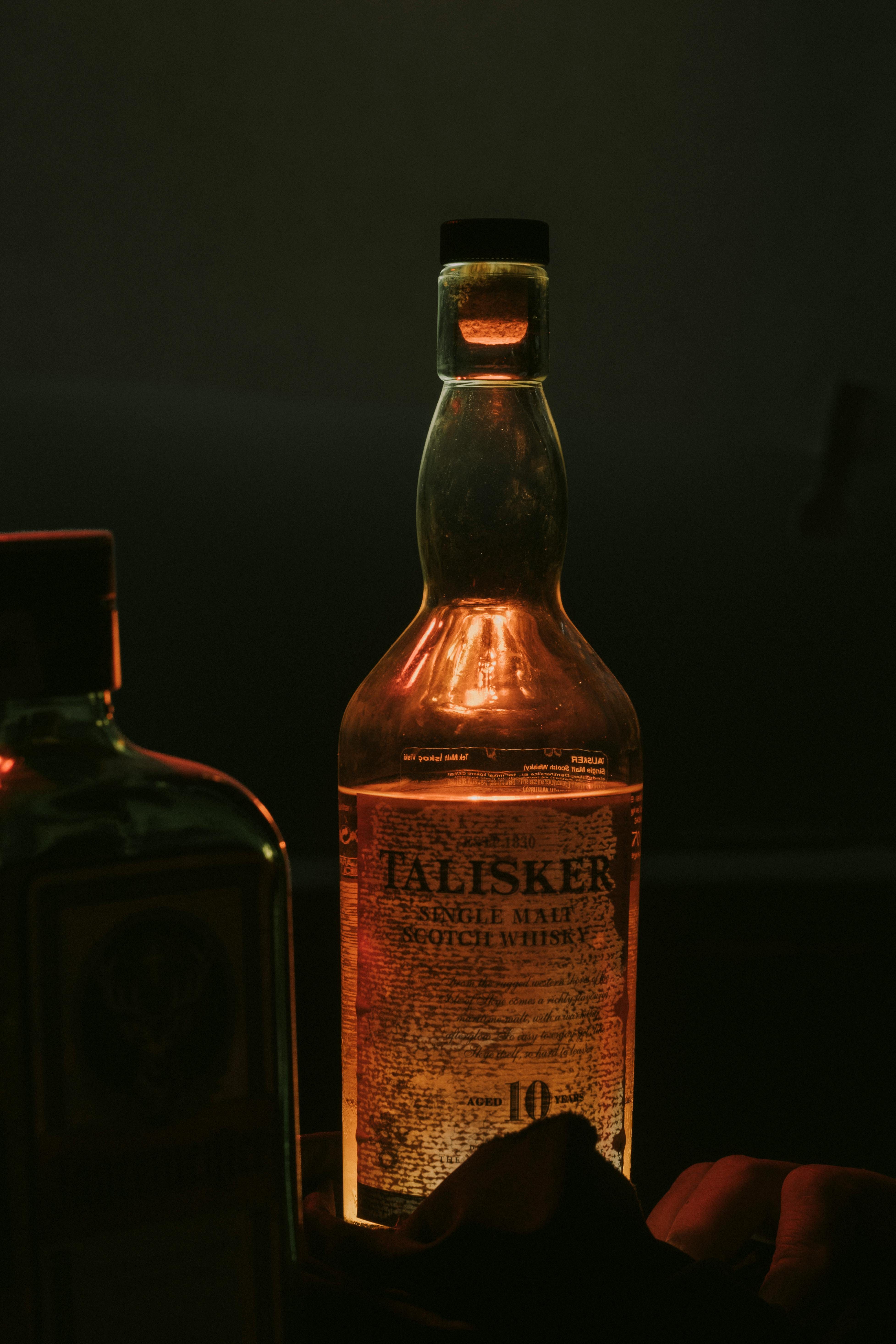
My guess is that my lead character in Kissed by a Midwife, Ada, would have tippled rarely. After all, she is a midwife and the mother of a young child so one would hope she was sober most of the time. She is also a respected member of her church, until she is accused of violations of The Comstock Act. So maybe Ada would take a drink on a chilly night or make herself a hot toddy when she took ill. But then Lucy, her mentor midwife, comes into her cabin to check on Ada's pregnancy and this occurs:
Lucy slopped whiskey in her tea.
Lucy is, perhaps, not as judicious in her restraint and probably is the midwife who showed up a little tipsy, at times, to deliveries. But most of the people in town wouldn't have minded. It was pretty common to use alcohol as a form of hydration in past centuries, especially in areas with a questionable water supply.
In addition, Ada's husband, the town doctor, had bartered services for whiskey, not because he was a big drinker, but because his patients could access it when they did not have any money. You might be surprised to know that the spirit, cheaply purchased, drove the economy in Massachusetts at one time. At twenty-five cents a bottle, it was considered a cheap libation until the pre-Prohibition period when Massachusetts levied substantial taxes on each gallon. (Perhaps that's why we have the nickname "Taxachusetts!")
I had assumed that the Puritans, of the 16th and 17th centuries, drove the elimination of alcohol from the daily diets of stoic, religious New Englanders, but apparently that is my misconception. They brought a ton of beer over on their ships!
The facts were this: a tipple a day kept the doctor away! It was not unheard of to have a dram of something at breakfast as the 18th and early 19th c. New Englanders were really good (and practiced) at holding their liquor.
In the early to mid-19th c., the US Navy supplied a half pint of rum as a daily ration for its sailors but the beginning strains of Prohibition caused them to stop the practice.
Post Civil War (1865), Temperance Bars were created. They served as a precursor to soda fountains and diners. One of the popular drinks was egg phosphates. Today, there are sober bars and many restaurants have a full menu of mocktails.
Upscale drinks like champagne were for the uppercrust but early New Englanders might use berries or apple to make some sort of fizzy, alcoholized drink. And they would imbibe morning, noon, and night, freely, in the pre-Prohibition era. Farmers, especially, would enjoy a glass of hard cider or spiked switchel at the end of the day.
In the Post-Civil War era, alcoholism ramped up, driving more supporters of Prohibition and Temperance. It didn't stop anyone from making or drinking alcohol, however. People distilled corn into whiskey and made bathtub gin. One of my grandfathers made "wine," using some sort of apparatus in the bathtub. My mother told me they could not use the bathtub when he was brewing and when they heard the corks pop off from the bottles surrounding the edge of the tub, the homemade hootch was ready. I suspect that "wine" was a word he used to deflect any criticism from making the stronger liquor that resulted.
On that sobering note, I wish you a safe and happy holiday season and temperate cheers to you in the New Year!
Another beautiful post!
My dad used to harvest grapes from their garden, press them, then have the liquid ferment until JUST before it turned alcoholic - so he claimed. But my sibs and I had our doubts!